
There’s a new subculture out there that I didn’t even know existed, though I feel like I’ve always been a part of it.
Dreadpunk is the recently coined label for a relatively new subcultural phenomenon in art and literature embracing Gothic horror, dark fantasy, and supernatural Victorian lore. It’s not exactly a brand new thing, but lately it’s being recognized as its own subgenre.
So what the Hell is Dreadpunk? Try to imagine if Goth culture and Steampunk had a baby that inherited the best qualities of both parents…
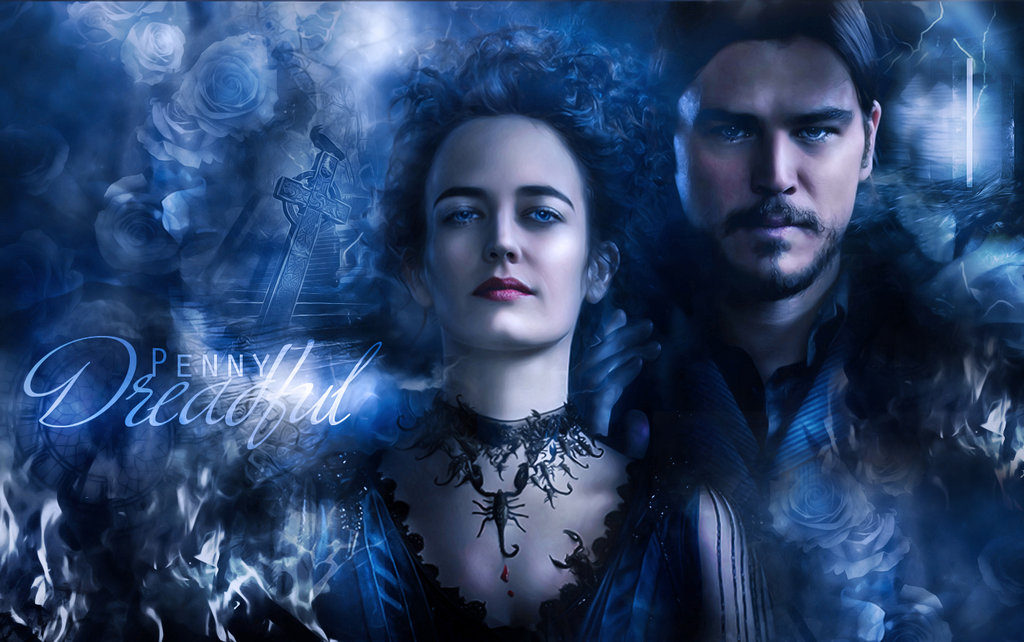
It’s just recently becoming a thing, but this aesthetic has actually been building steam (ha ha) in the last couple years. There’s been somewhat of a comeback of gothic Victorian horror with the success of the excellent Showtime series Penny Dreadful and films like The Woman in Black and Guillermo del Toro’s sumptuous Crimson Peak.
The emphasis, of course, is on the word “Dread” – Psychological horror more so than the physical kind. It’s fear of the unknown, the unseen. It’s dark fantasy with the encroaching terror that there are malevolent forces out there that… well, let’s just say they don’t have our best interests at heart.
That means exactly what you think it means – Dreadpunk is a revisiting of the classic Gothic horror themes that we know and love.
“I love the idea of reclaiming gothic horror,” says Gothic fantasy author Leanna Renee Hieber. “Dreadpunk acknowledges the 19th-century roots that gothic horror is built on.”
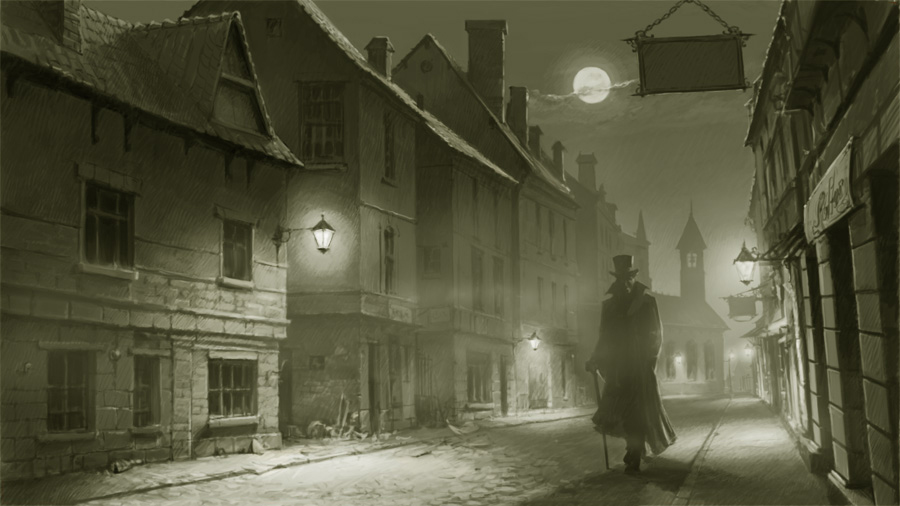
You certainly can guess what’s involved in those themes… Stories are set in haunted ruins, bleak churchyards, and the ancient manor houses of dissolute aristocrats. Or they may take place in fog-drenched London cityscapes or lonely moors. Anywhere that amps up the creeping dread that there is something very bad – something perhaps supernatural – out there that is bigger than us.
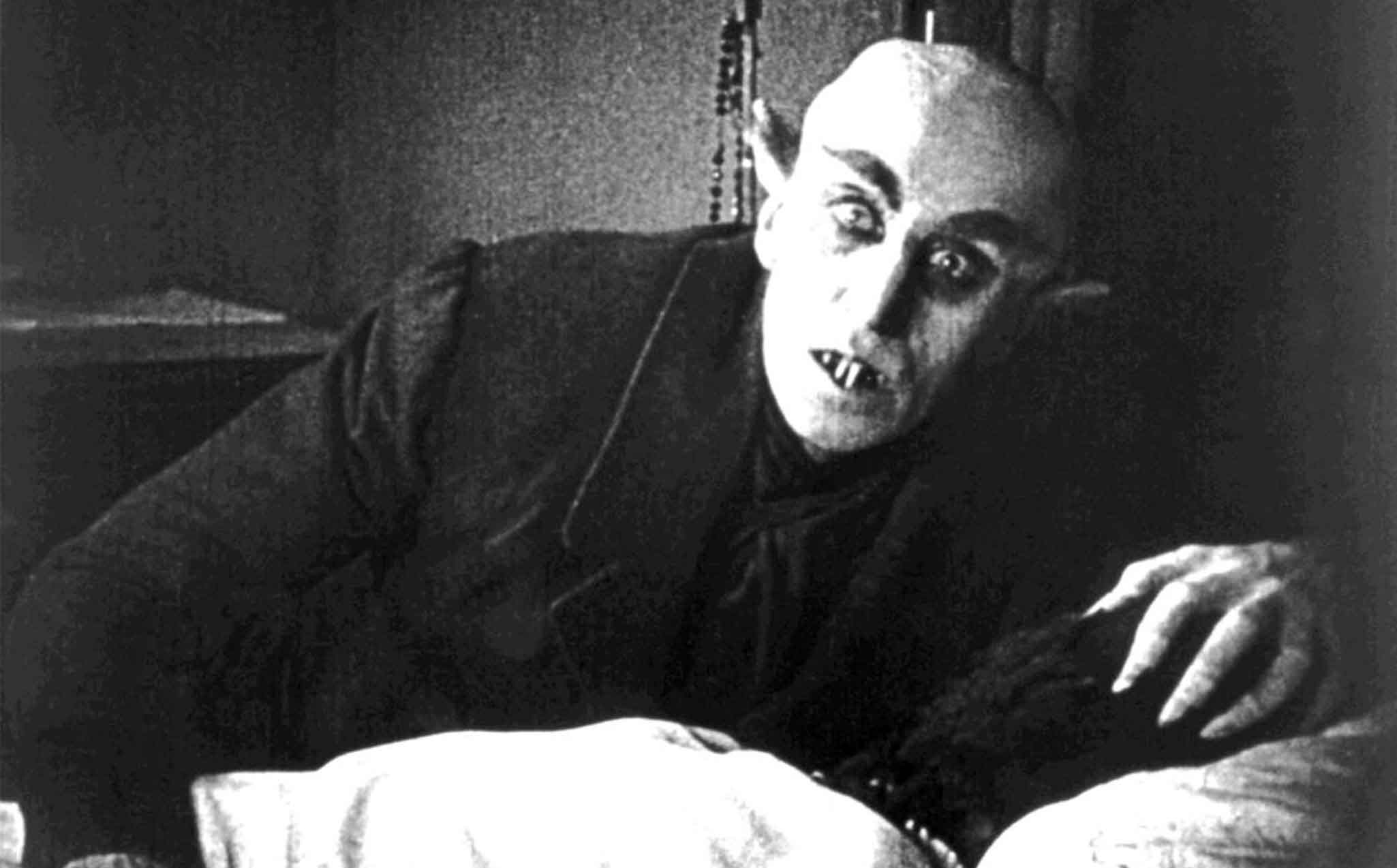
Classic Universal monsters are Dreadpunk. Lovecraft and Poe are absolutely Dreadpunk. And of course, Tim Burton movies are Dreadpunk.
How can you tell? In addition to the description above, look for Victorian aesthetic touches like historic Victorian costuming (especially formal mourning garb!), gaslamps, haunted houses, and especially mist – these are all hallmarks of Dreadpunk.
How is Dreadpunk different from Steampunk?
More or less, Steampunk is essentially modern science fiction as seen through a 19th century lens. It typically emphasizes magic and technology with a focus on advancing progress through a late Victorian aesthetic. Steampunk is where you’ll find tales of scientists of the non-mad variety using technology to create a better future. This is where you find the gears and airships. It’s considerably more optimistic and idealistic.
Dreadpunk, on the other hand, also looks through the lens of a 19th-century sensibility, but without the positivity. Dreadpunk is all about “gaslamp fantasies,” chilling tales of restless ghosts and haunted mansions, forbidden books, and macabre stories of diabolical killers like Jack the Ripper or HH Holmes stalking dark city streets. Think of it as psychological horror (sometimes with a little physical horror thrown in to spice things up) dressed up in Victorian costumes.
*****
Tales such as these became popular in the 1800s with the publication of lurid serialized fiction known as “Penny Dreadfuls.” Fast forward nearly 200 years into the future, and the concept of the Penny Dreadful is enjoying a comeback.
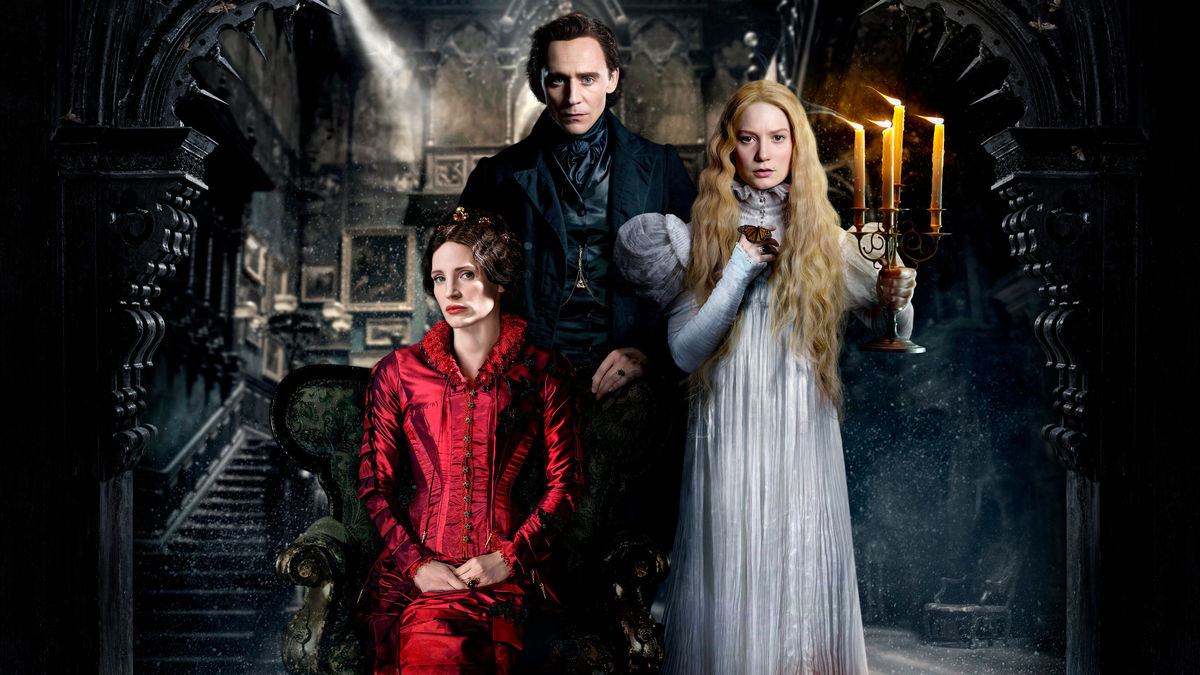
Guillermo del Toro’s Crimson Peak
Dreadpunk themes are also enjoying a revival in the cinema. One of the best-known recent examples is Guillermo del Toro’s stylistic Gothic romance/horror hybrid, Crimson Peak (2015). As is a common theme in Dreadpunk, it’s a story about what happens when the new world and the old world are thrown together.
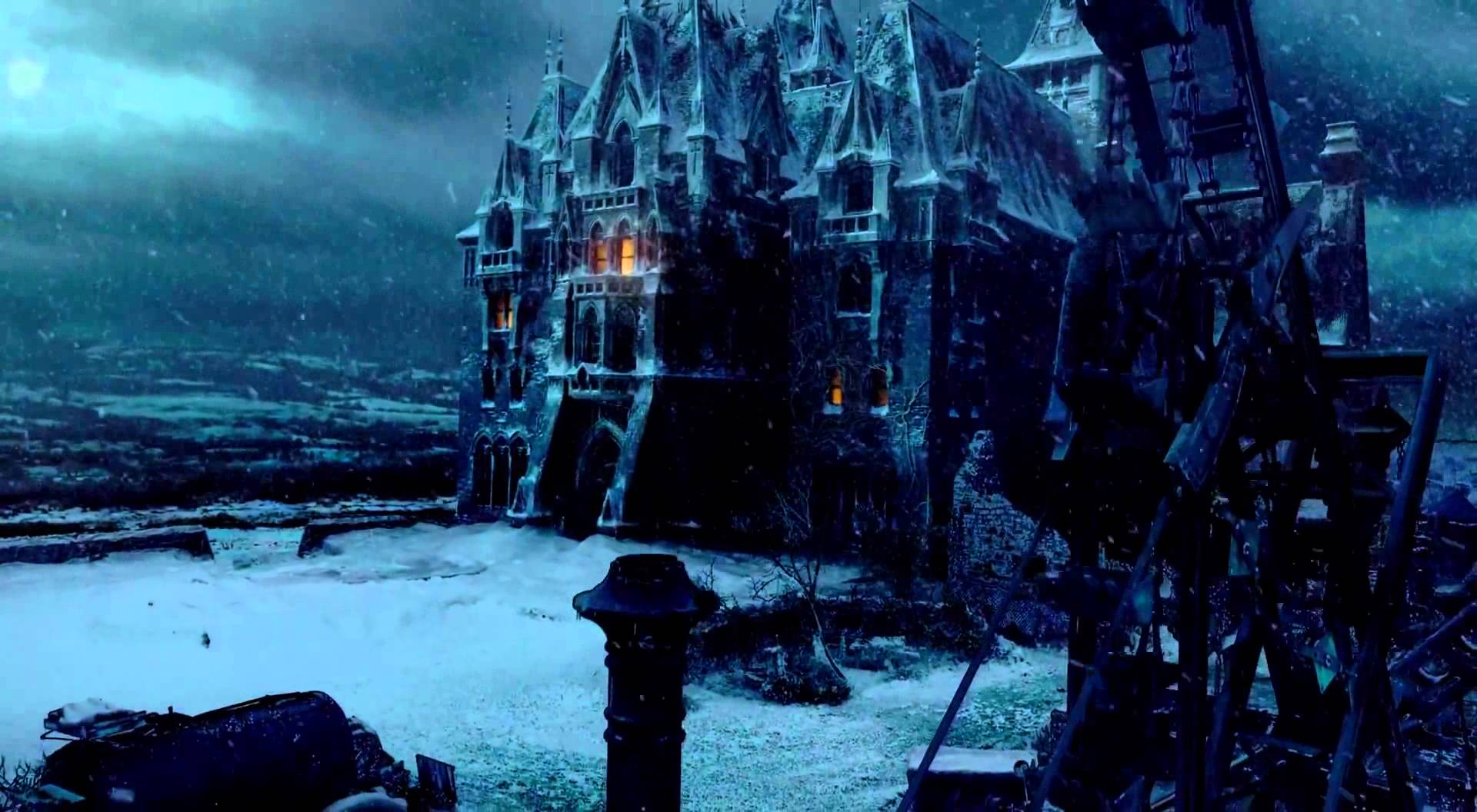
When Thomas Sharpe brings his new bride home to crumbling Allerdale Hall, the old ways are disrupted. Crimson Peak borrows from Steampunk by virtue of the steam-powered technology used in the family’s mining business, but what it’s really all about is Gothic Romance and Horror, placing it more in the Dreadpunk camp.
*****
The term “Dreadpunk” is attributed to Derek Tatum, founder of Dreadpunk.com. In a nutshell, Tatum created the term as a way to describe “contemporary Gothic and Victorian-inspired horror,” “suspense and dark fantasy works set in an often stylized past” or simply “Spooky Pop Culture.”
Author Cherie Priest focuses on the “punk” part of Dreadpunk. “When you say something is punk, punk is shorthand for transgression,” she says, and the prefix describes “the form of transgression.” “You challenge the dominant paradigm of what frightens you, and you challenge the dominant paradigm of who has power.”
“I feel like there’s a new wave coming and I’m really excited about it,” says Priest, “and if Dreadpunk is going to lead that charge, I want to be behind it.”
In essence, Dreadpunk represents the subversion of the status quo with the clash of the old and the new, of the seen and unseen – the clash of modernity and superstition that came about with the progress of science and industry in the 19th Century.
What’s exciting about Dreadpunk as an emerging fandom subculture is that there’s already a wealth of material out there, while contemporary artists are constantly creating new works and exploring the concept of Gothic Horror across all media.
*****
Though the exact definition of the parameters of Dreadpunk is up for debate, here’s a list of films, books, and even video games that I hope will inspire you to seek out other works of Gothic Horror and Dark Fantasy.
The list is presented in alphabetical order. Some works exist in multiple media – books, film, TV, and even games. Links are to films I have reviewed on this site.
Abraham Lincoln, Vampire Hunter – Seth Grahame-Smith (novel, film 2012)
Anno Dracula – Kim Newman
Bram Stoker’s Dracula (1992)
The Cabinet of Dr. Caligari (1920)

Carmilla – J Sheridan le Fanu
Castlevania – TV series (Netflix, 2017)
Corpse Bride (2005)
Crimson Peak (2015)
The Crow (1994) (though not set in the past, the director stated he was going for a Gothic Horror vibe)
Doctor Who (TV series – particularly the Weeping Angels)
Dracula – Bram Stoker (novel, films 1931- )
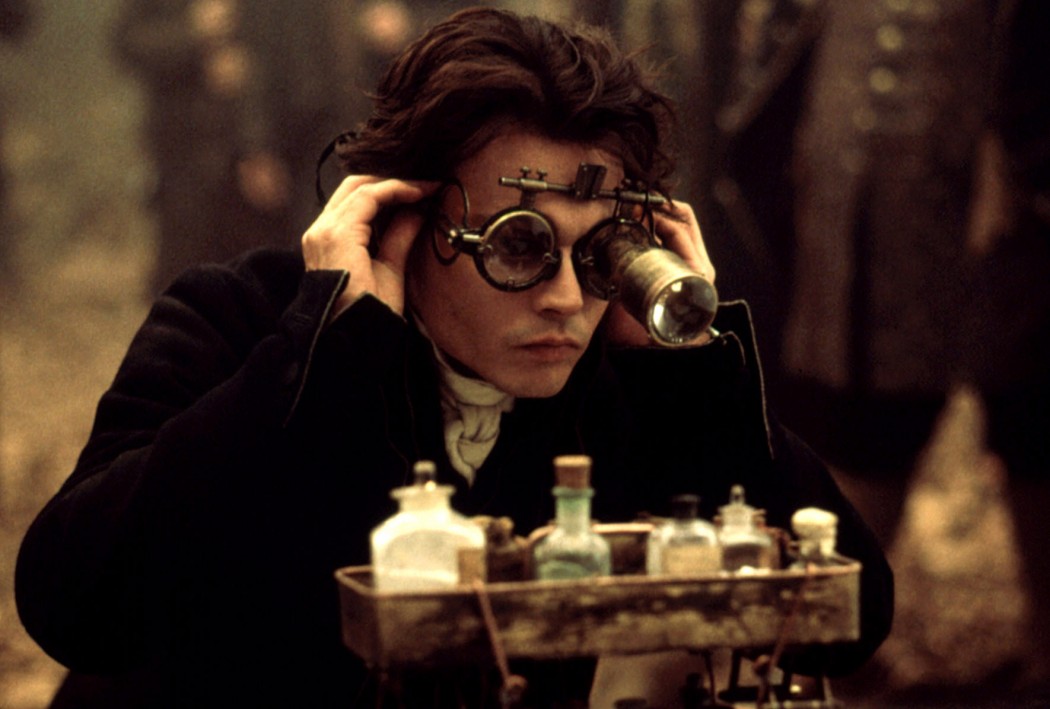
Edward Scissorhands (1990)
Frankenstein – Mary Wollstoncroft Shelley (novel, films 1931- )
Hammer Studios films (UK’s horror film factory from the 1950s to the 1970s)
The Haunting of Hill House – Shirley Jackson

The Woman in Black (2012)
Leanna Renee Hiebler – Multiple works
The Historian – Elisabeth Kostova
Interview with the Vampire – Anne Rice (novel, film 1994)
Jack the Ripper – Subject of multiple works in film and literature
Jonathan Strange and Mr. Norrell – Susanna Clarke (BBC miniseries, 2015)
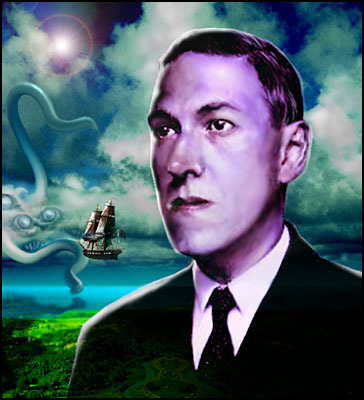
HP Lovecraft – Multiple works
Maplecroft (Cherie Priest)
The Mummy (1932 and 1999)
The Others (film, 2001) (Based on The Turn of the Screw by Henry James)
Penny Dreadful – TV series (2014-2016)
Phantom of the Opera (1925)
The Picture of Dorian Grey – Oscar Wilde
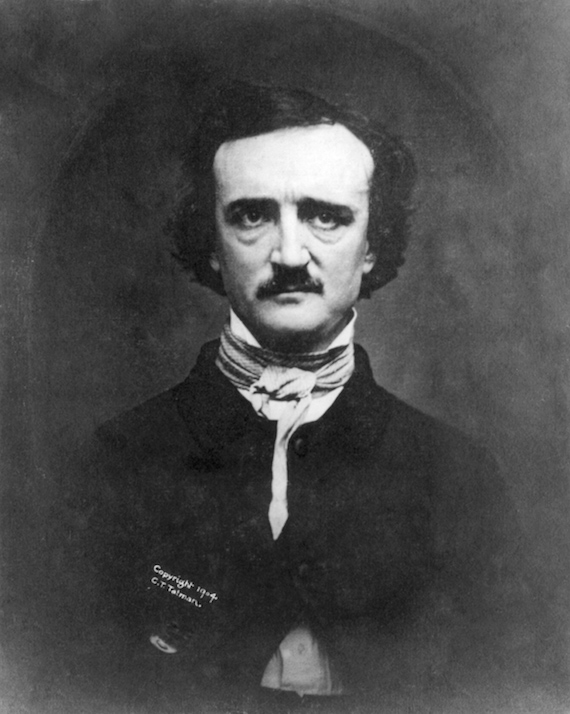
Edgar Allan Poe – Multiple works in literature and film
The Raven (2012)
Rebecca (1940)
Salem’s Lot – Stephen King (TV miniseries 1979)
Sherlock Holmes (2009)
Silent Hill (2006)
Sleepy Hollow (TV series, 2013-2017)
Solomon Kane (2009)
The Strange Case of Dr. Jekyll and Mr. Hyde – Robert Louis Stevenson
Sweeney Todd (2007)
Van Helsing (2004)
We Have Always Lived in the Castle – Shirley Jackson
The Wolfman (1941 and 2010)
Games
Bioshock
Silent Hill
D&D Ravenloft
Dark Souls
Bloodborne
Vampire Hunter D: Bloodlust
heck im sorry that was. Mean. i. i do legitimately want to know, but that tone was. Uncalled for
No need to apologize. It’s a legitimate question, and no offense was taken 🙂
I did not know that Abraham Lincoln Vampire Hunter was available as a book, and that Jonathan Strange and Mr. Norrell was a BBC series! Cool. Also I really enjoyed the cemetery symbolism article– already planning something good for my urn! Thanks :-]
what…. is the difference between “”dreadpunk”” and…. goth????
There obviously is considerable overlap. From my perspective, Dreadpunk specifically describes a return to the Gothic Romantic horror tradition in film and literature by contemporary creators. Derek Tatum’s original Dreadpunk website, https://www.facebook.com/pg/dreadpunkempire, may offer further insights.