

In Mary Shelley’s Frankenstein, the titular character develops the means to instill the spark of life into an artificial being. While the 1818 novel certainly broke new literary ground, the notion of synthetic life hails back to the earliest stirrings of human culture.
Myth and folklore are rich with tales of humans or gods breathing life into humanoid statues. For the ancient Greeks, there was Pygmalion, whose ivory female sculpture awoke with the help of the god Venus. Medieval Jewish folktales speak of golems, artificial beings brought into being via a tablet of sacred words inserted beneath the clay humanoid’s tongue.
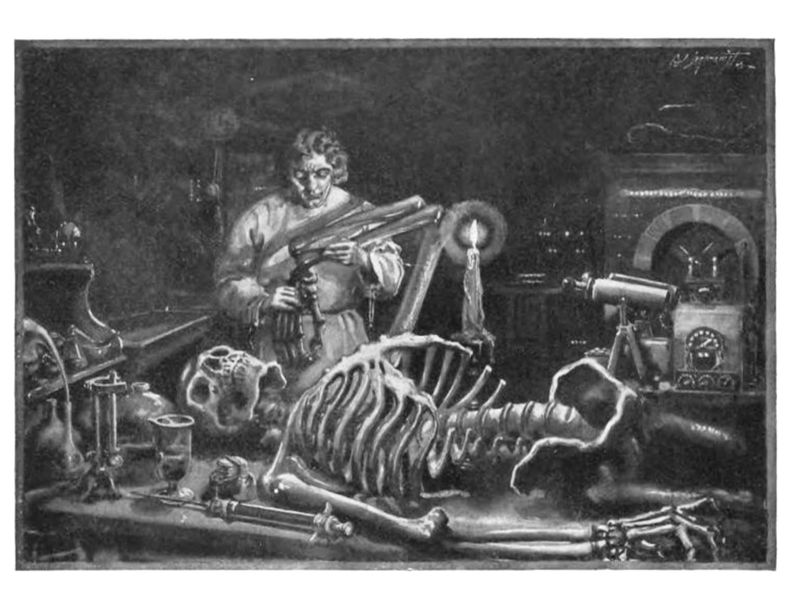
Frankenstein is a tale of vast scientific achievement and deep existential failure. The relationship between Victor and his creation is a complex one, far more nuanced than the man-versus-monster and brains-versus-brute scenarios splashed all over popular culture.
Just who is this nameless, synthetic being? What cultural ideas does he embody, and why does his presence continue to haunt us?
Read the entire article at HowStuffWorks.com to uncover the heart of Frankenstein’s monster!
It would be awesome if CMU grad students were at work on a Frankenstein robot. Such a great thing to have around the house.