

You never can tell what might trigger an idea for an article.
For example, as I admired the beautiful Easter lilies on Sunday, I was reminded of the giant people-eating plant in one of my favorite cheesy horror films, Little Shop of Horrors (1960). Which in turn reminded me that legendary B-movie director and producer Roger Corman celebrates his 92 nd birthday this week!
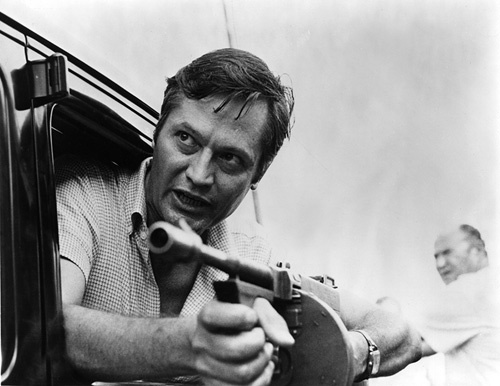
Roger with machine gun on the set of Bloody Mama (1970)
Who is Roger Corman? You may not recognize his name – most of his career has been spent behind the camera – but if you’re a fan of vintage sci-fi and horror (both good and bad) and B-movies in general, I’m betting you’re familiar with his work.
He’s certainly earned the titles of “King of the B’s” and “The Pope of Pop Cinema,” making popular and profitable movies for more than six decades. To date, Corman can boast over 400 credits as a producer, 56 as a director, and 37 acting credits to his name. He’s even appeared over 150 times in various documentaries and TV shows as himself.
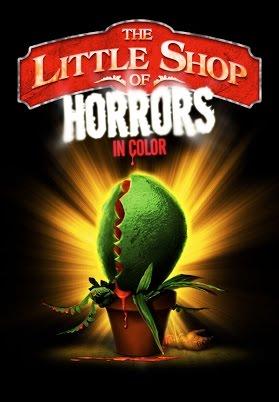
His best-known film is probably Little Shop of Horrors, which pretty much everyone has seen – either the cheapie 1960 original, the hit Broadway musical adaptation, or the later movie remake.
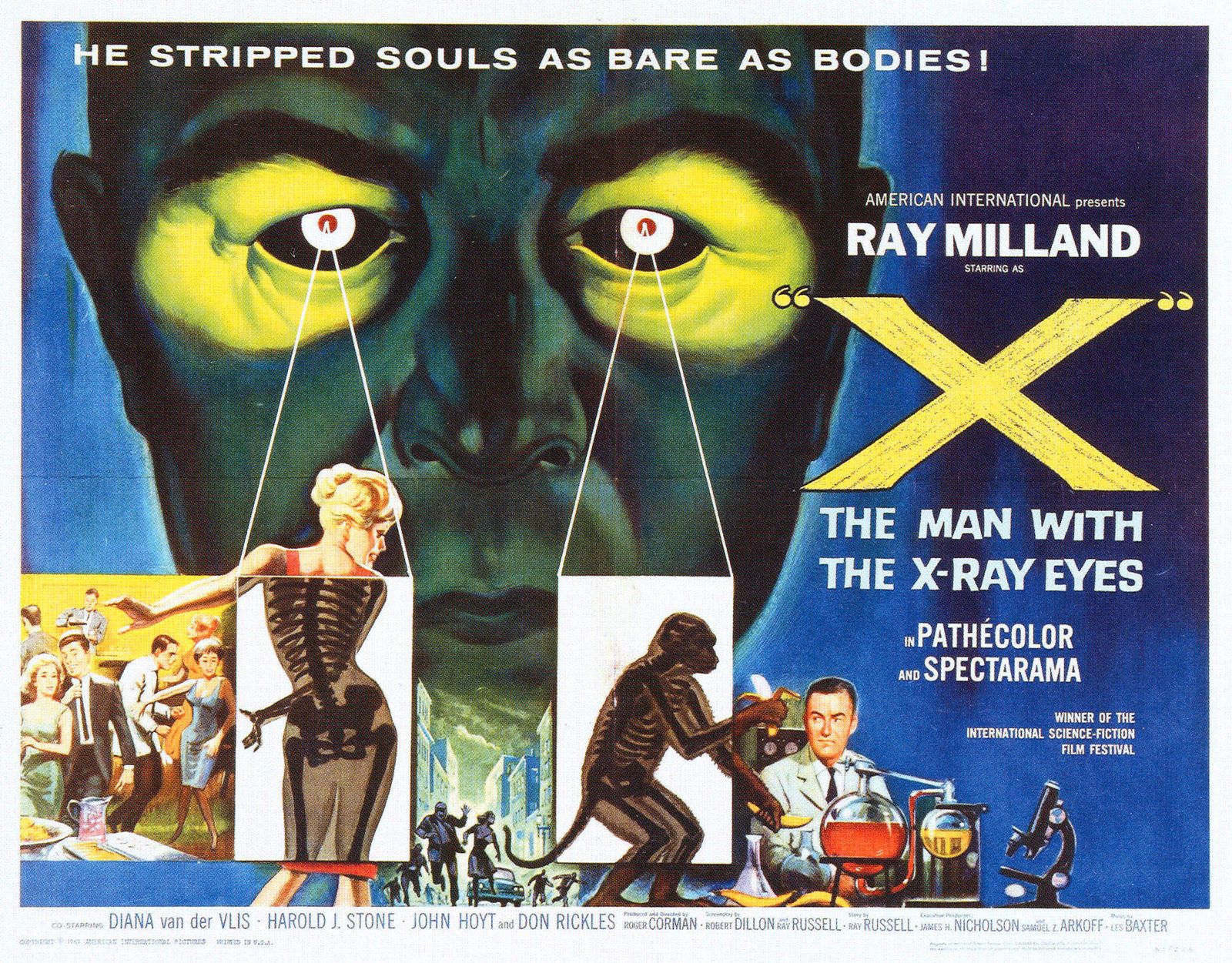
We also have Corman to thank for dozens of films with such irresistible titles as Attack of the Crab Monsters (1957), Teenage Caveman (1958), and X, The Man With the X-Ray Eyes (1963). He’s also part of the team that brought us SyFy’s phenomenally successful Sharknado series (2010).
Say what you will about the quality of those movies, Corman has always been a savvy filmmaker and businessman. His specialty – and his genius – has always been trashy low-budget B-movies – the kind that used to make up drive-in double bills or appear on late-night TV. These days, you’ll most often find them on the SyFy Channel or perhaps in the clearance bin at Wal-Mart.
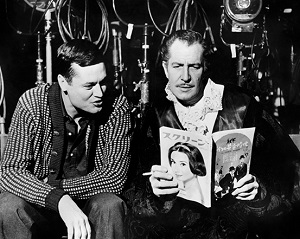
Corman’s body of work covers everything from alien monster invasions to flying sharks, dangerous bikers and teenage delinquents to bloodthirsty plants. One of his greatest achievements was his AIP series of “creative interpretations” of the works of Edgar Allan Poe starring the fabulous Vincent Price.
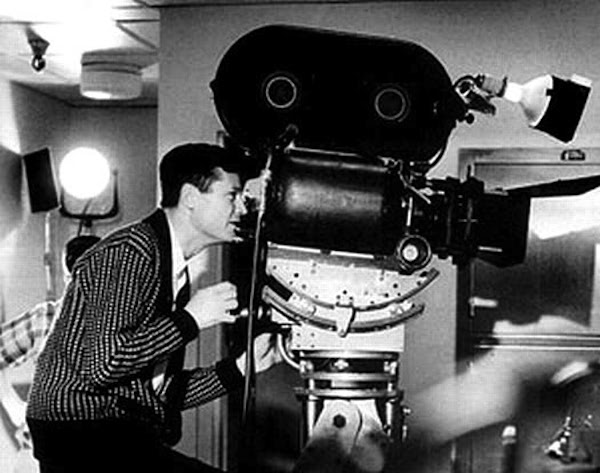
For the most part, however, his movies are the kind that now mostly go straight to video… Movies with delightfully lurid titles, exploitive story lines, and colorful characters – always entertaining, but very often with little to admire in the way of writing, acting, or cinematography, not to mention painfully bad not-so-special effects.
Back in the 50s, 60s, and 70s, drive-ins and local theaters needed a steady stream of cheap, crappy movies to fill out double-bills aimed at teenagers and young adults… a market with an insatiable appetite for cinematic “junk food.” Corman simply saw a niche that was begging to be filled, and he stepped up.
Cinematic schlock factory American-International Pictures relied upon Corman back in those days as one of the major suppliers of their product. They would hand him some money (not much!) and an advertising campaign (sometimes just a title or a poster idea) and turn him loose. It was his responsibility to come up with a story and produce the film fast and cheap.
How cheap was he? When it came to pinching pennies, Corman was the undisputed master. On one occasion, he finished a film three days earlier than expected, so he improvised and used the same actors and sets (which he had already paid for) to squeeze out an entire second film in the remaining three days. A running gag in Hollywood was that Corman could negotiate the production of a film on a pay phone, shoot the film in the booth, and finance it with the money in the change slot.
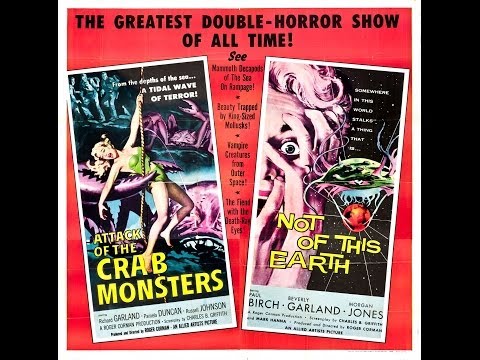
However, Corman’s greatest contribution to the motion picture industry may have been his tireless dedication to mentoring young filmmakers. He was instrumental in jumpstarting the careers of some of Hollywood’s greatest directors, including Steven Spielberg, Francis Ford Coppola, Jonathan Demme, James Cameron, Joe Dante, and Martin Scorsese.
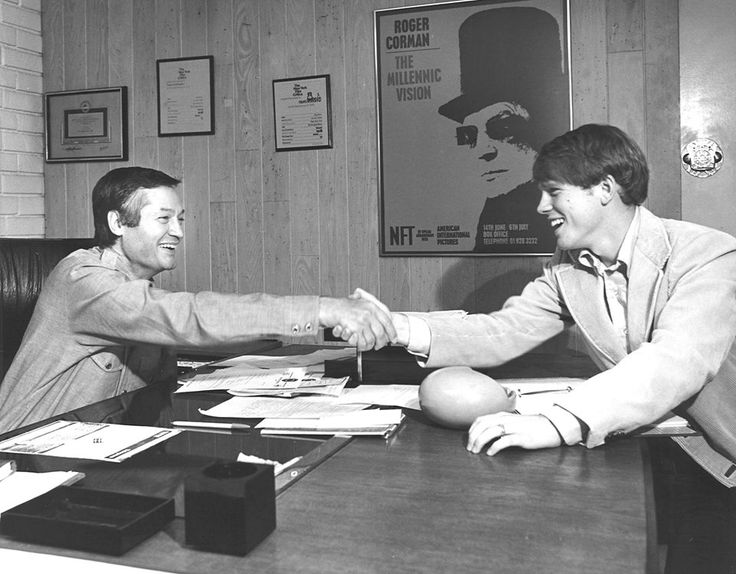
Corman congratulates Ron Howard on the success of his directing debut, Grand Theft Auto (1977)
As he once said to Ron Howard (who also owes his big break to Corman, who helped him go from has-been child star to Academy Award-winning director), “If you do a good job on this film, you’ll never have to work for me again.”
Of course, the filmmakers who have benefited from his mentoring haven’t forgotten what he did for them – over the years, Corman has frequently appeared in cameos or bit parts in the films of successful directors who got their start with him.
He also discovered or boosted the careers of many aspiring young actors when they were still unknown and struggling. Corman’s willingness to give them a shot was what launched the acting careers of Jack Nicholson, Charles Bronson, Robert De Niro, Sandra Bullock, and many others.
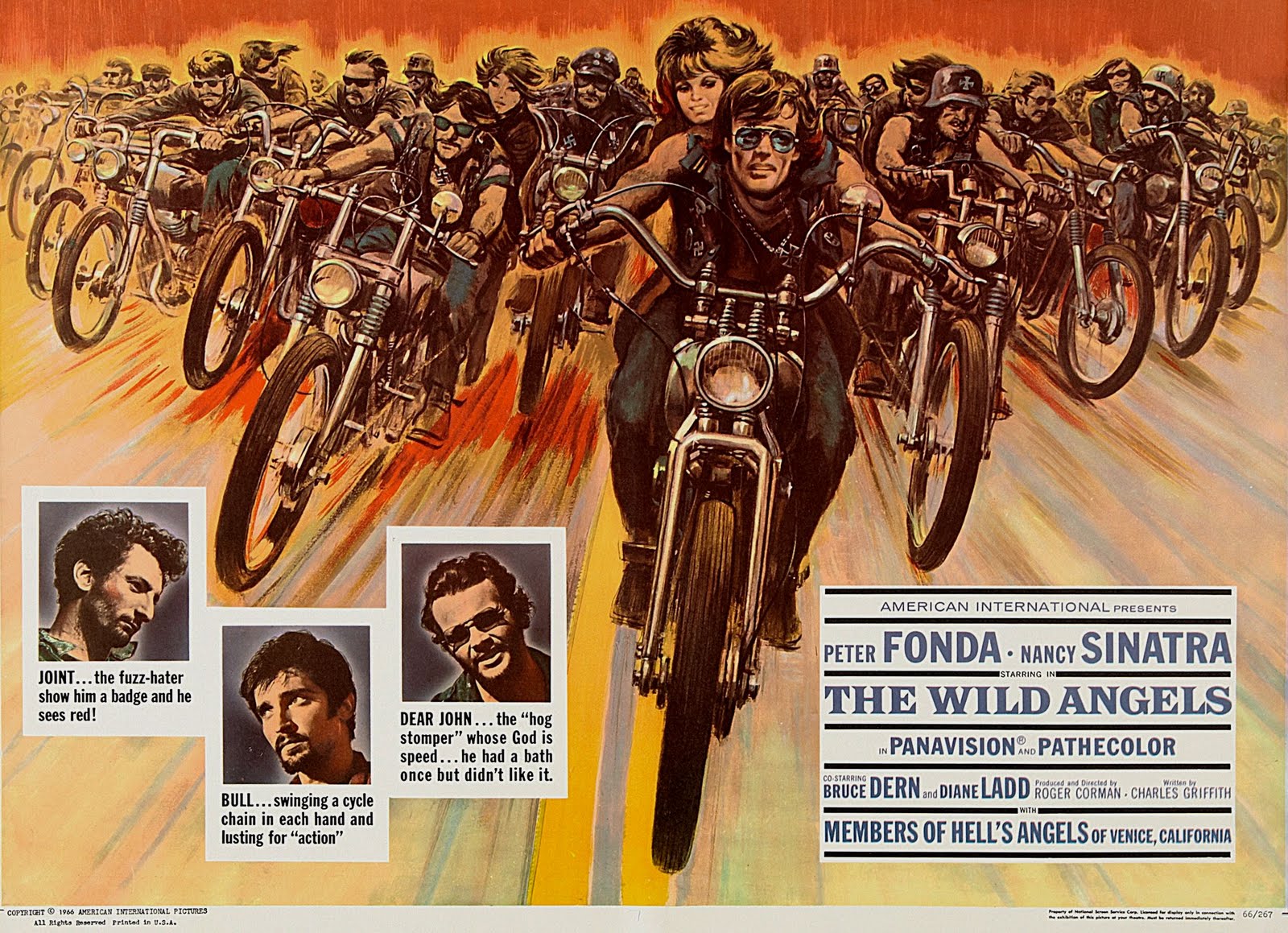
Though none of his films were exactly Oscar material, many of the young directors and actors he took under his wing have gone on to become Academy Award winners. For example, in 1974, nearly every major category featured wins or nominations by graduates of the “Corman Film School.”
In 2010, Roger Corman was honored with a lifetime achievement award from the Academy of Motion Picture Arts and Sciences “for his rich engendering of films and filmmaking.”
Fellow rulebreaking director John Waters said of Corman,
“He is, in my opinion, well beyond being a filmmaker on the edge. He created a whole new cliff, dove off and climbed back up many, many times.”
In his long career, Roger Corman directed and produced hundreds of movies and made indie filmmaking cool and viable. He inspired others to work outside the system – in fact, he practically wrote the book on guerilla filmmaking. He founded production and distribution companies that were among the first to expose the American public to foreign films and art films. He helped launch the careers of dozens of Hollywood legends.
Even at age 92, he’s still a huge influence – just check out the next SyFy channel epic like MegaShark Vs. Giant Octopus. Then think about Roger Corman and how he singlehandedly changed the course of cinematic history. Here’s wishing Mr. Corman a very happy birthday!
Highly informative and fun– two thumbs up! Who knew… Great anecdotes. I will never take Roger Corman for granted again.