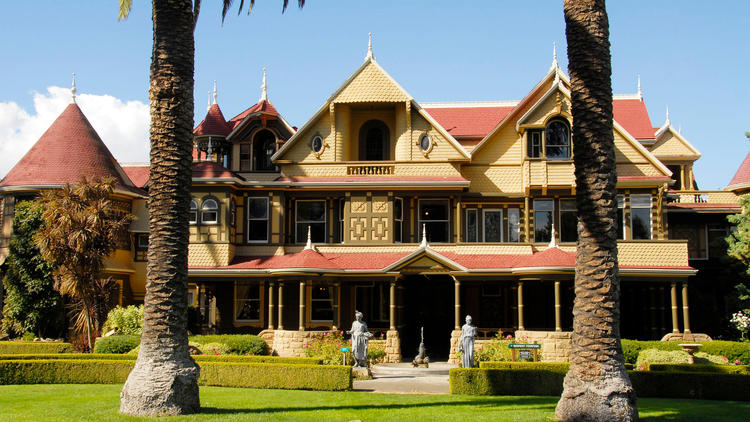
The Winchester Mystery House, San Jose, California
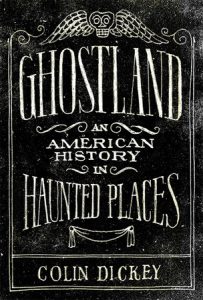
I wasn’t sure what to expect when I first picked up Colin Dickey’s book, Ghostland: An American History in Haunted Places. But before long, I was spellbound, caught up in his narrative about haunting in America, from Salem to New Orleans to Detroit and even to Silicon Valley.
Ghostland is a collection of essays inspired by Dickey’s extensive coast-to-coast road trip tour of Haunted America, filled with innumerable ghost stories as well as some travel blogging and even history lessons thrown in for good measure.
Dickey never states his own opinion on whether he believes ghosts are real or not. This isn’t like SyFy Channel-style lame ride-alongs with teams of paranormal investigators armed with electromagnetic detectors. Instead, it’s a real examination of how the ghost stories we’ve woven around haunted mansions and eerie abandoned hospitals, our stories of the dead, reveal so much about contemporary American culture.
The author traveled all over America, visiting various (and often unexpected) haunted places around the US, collecting their stories, and exploring local ghost legends.
You don’t often find stories about brothels, human psychology, amateur Victorian architecture, or especially a suburban Toys ‘R’ Us in a book about ghosts. And you certainly wouldn’t expect to have your thinking about the meaning of ghosts completely changed. But you will!
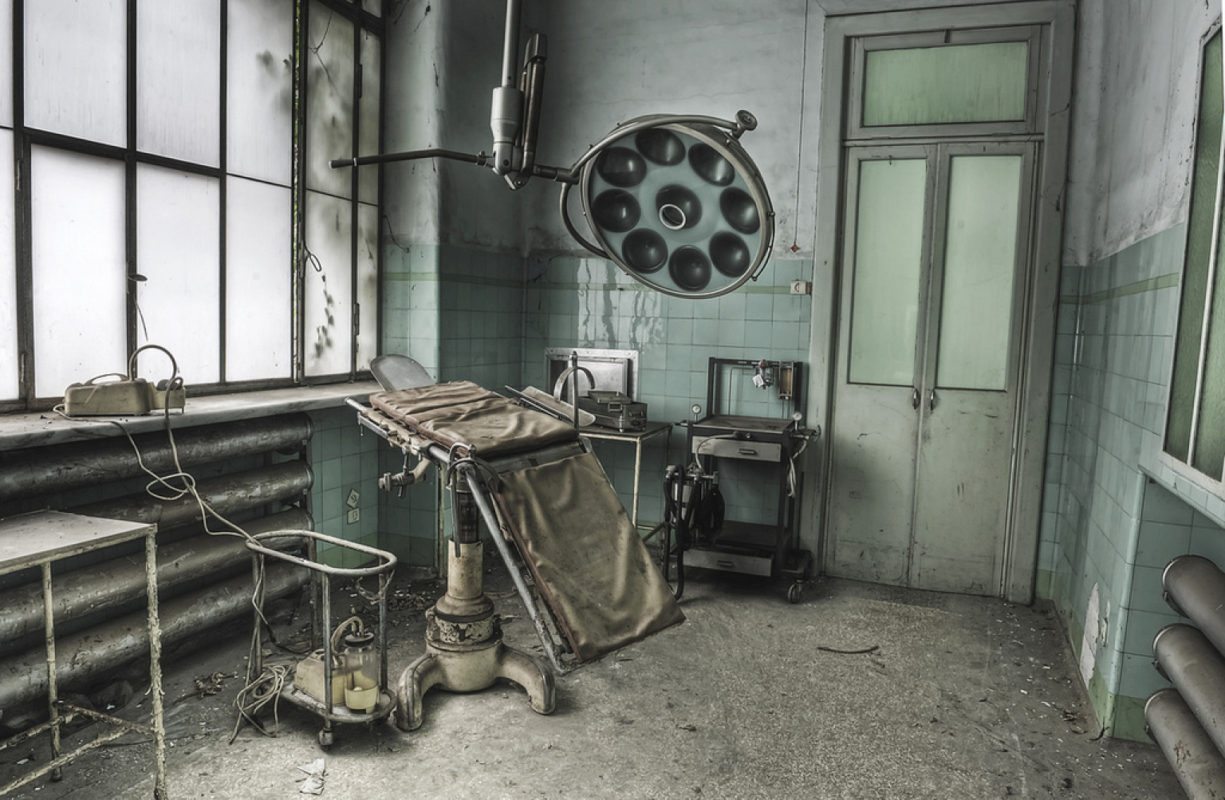 Haunted places, according to Dickey, come in four kinds: Houses, institutions (mental asylums, orphanages), hangouts (such as bars and brothels), and in fact, even entire towns. He describes the ghosts that inhabit them as the lingering manifestations of people who were wronged in some way, and explains how inventing them and believing in them helps us deal with the painful things in our past.
Our beliefs in hauntings and life after death are shaped by our superstitions, fears, and longings; for example, the “ancient Indian burial ground” story that’s been a part of our urban legends from Pet Sematary and Poltergeist to South Park. How unsettling is it to contemplate that the land your home sits on, the land that you bought and have a deed to, actually belonged to someone else with a much older claim… someone who is now going to haunt you and take revenge?
Ghosts represent what we fear and regret; they are manifestations of our guilt and our anxiety. The persistence of these ghost stories attached to places, even as the details change over time, tells as much about the living as it does the dead.
Many local tales of hauntings exaggerate the gruesomeness of the story or blame the wrong perpetrator for the wrongs done to the individuals whose ghosts populate them. This happens as a consequence of why we have these stories in the first place; they tell us about the fears and anxieties of the teller and of contemporary society in general.
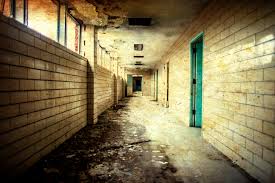 When we feel a chill as we pass by the abandoned and haunted insane asylum just outside of town, it’s really an echo of our discomfort with the appalling way mentally ill people were treated back in the day. The spirits roaming Nevada brothels are unsettling reminders of how the rental of human flesh is demeaning and harms men and women. And in fact, entire cities that have made their ghosts into a profit center – like New Orleans, Savannah, or Detroit – have not made peace with the racial inequalities of the past and present.
In other words, ghosts and haunted places are not so much about life after death and spirits as shame, guilt, or anxiety about how human beings treat each other – things we prefer not to face.
Ghostland will intrigue you with stories like…
- The ghostly legacy of slavery and how ghost stories nurtured the rise of the KKK.
- How the social movement of Spiritualism helped bring about women’s suffrage.
- Death tourism in Salem
- “Ruin Porn” in Detroit
- The reality behind The House of the Seven Gables.
- Sarah Winchester, the eccentric widow (heiress to the Winchester gun fortune) whose fear of the angry ghosts of people killed by her husband’s rifles supposedly fueled a never-ending home improvement project.
- Ghost-infested New Orleans, from the legend of the diabolical Delphine Lalaurie (which found its way into Season 3 of American Horror Story!) to the modern ghosts created in the wake of Hurricane Katrina.
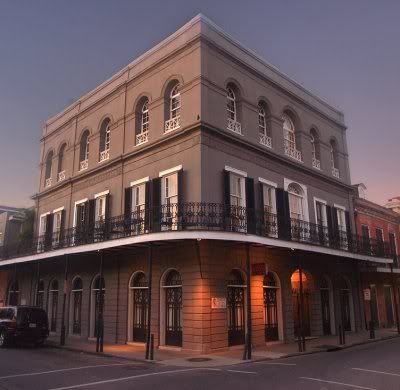
The LaLaurie Mansion, “Most Haunted House in New Orleans”
Ghostland doesn’t just repeat old ghost stories – it explores the underlying tragedies and circumstances that create the need for them, how they get started, how they rewrite reality, and why so many people want ghosts to be real. How we deal with the dead and their stories and their impact on contemporary American culture is more important than the question of whether ghosts really exist… and as to that question, in the end, the choice is yours.
If you’re looking for an engrossing read with great storytelling backed up by solid, thought-provoking research, you’ll love Ghostland.